Fine motor skills in preschool begin developing long before children ever pick up a pencil. In reality, handwriting begins long before that. Before children can write comfortably, they need strong hands, coordinated movements, and plenty of opportunities to explore, create, and play.
Fine motor activities help children strengthen the small muscles in their hands and fingers while developing the coordination they’ll use every day for writing, cutting, buttoning, zipping, and so many other classroom tasks.
The best part? Children don’t even realize they’re building these important skills because, to them, it’s all play. While they’re busy having fun, they’re strengthening the little muscles they’ll use every day for writing, cutting, and so many other classroom activities.
When parents and teachers hear the words fine motor skills, they often think about handwriting. While handwriting is certainly an important part of fine motor development, these skills go far beyond how a child holds a pencil or crayon.
What Are Fine Motor Skills?
Fine motor skills involve the small muscles in a child’s hands and fingers working together with their eyes. Every time children pick up a bead, squeeze playdough, button a coat, cut with scissors, or use tweezers to pick up small objects, they’re strengthening the muscles they’ll use for writing and for other everyday tasks.
One thing I’ve learned over the years is that children don’t need worksheets to build fine motor skills. They need plenty of opportunities to explore, create, and use their hands every day.
As preschool teachers and parents, we know these little moments of play are doing much more than keeping children busy. They’re helping children build confidence, independence, and the strong foundation they’ll need for handwriting and so many other everyday tasks.
Why Fine Motor Skills Matter
Having strong fine motor skills does so much more than prepare children to write. They help children become more independent and confident as they learn to manage everyday tasks on their own.
Think about how many times during the day children use the small muscles in their hands. They zip their coats before heading outside, button sweaters, open lunch containers, turn the pages of a favorite book, hold a paintbrush, cut with scissors, and build with blocks. Every one of these activities gives children another opportunity to strengthen their hands and improve their coordination.
Strong fine motor skills also make learning less frustrating. When children have the hand strength and control they need, they can focus more on learning and less on struggling to hold a pencil, cut along a line, or complete a simple classroom task. Those little successes build confidence, and confident learners are often more willing to try new things.
Every time children strengthen their little hands through play, they’re taking another step toward becoming more confident, capable, and independent learners.
Simple Fine Motor Activities You Can Try
The good news is that you don’t need expensive materials or complicated activities to help children strengthen their fine motor skills. Many of the best activities use simple classroom supplies that you may already have on hand.
Here are a few of my favorite ways to build fine motor skills through play.
Playdough
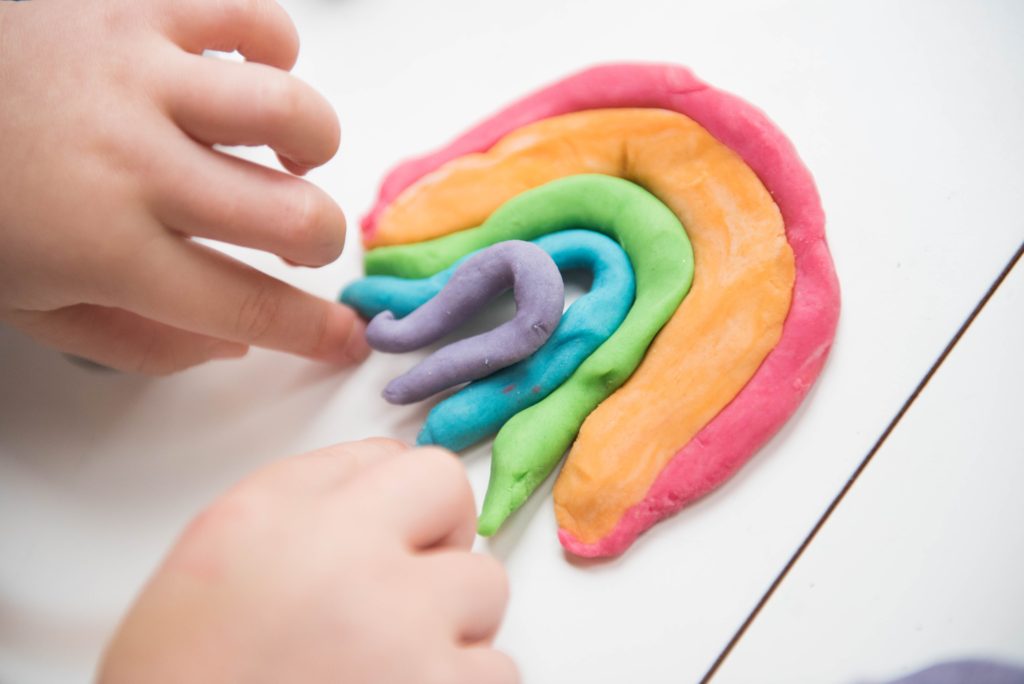
Playdough is one of the easiest and most effective ways to strengthen little hands. As children roll, squeeze, flatten, pinch, and shape the dough, they’re building the hand strength they’ll need for writing, cutting, and for other everyday tasks.
One of the things I love most about playdough is that every child can be successful. It doesn’t matter where they are developmentally—they can create, explore, and build confidence while strengthening the fine motor muscles they’ll use every day.
Add cookie cutters, plastic scissors, beads, or small manipulatives to make playdough even more engaging.
Clothespins
Clipping clothespins onto cards, craft sticks, or the edge of a container is a fun way to strengthen finger muscles while improving pincer grasp. Turn it into a learning activity by asking children to clip the correct number of clothespins or match colors, letters, or numbers.
Beads and Lacing
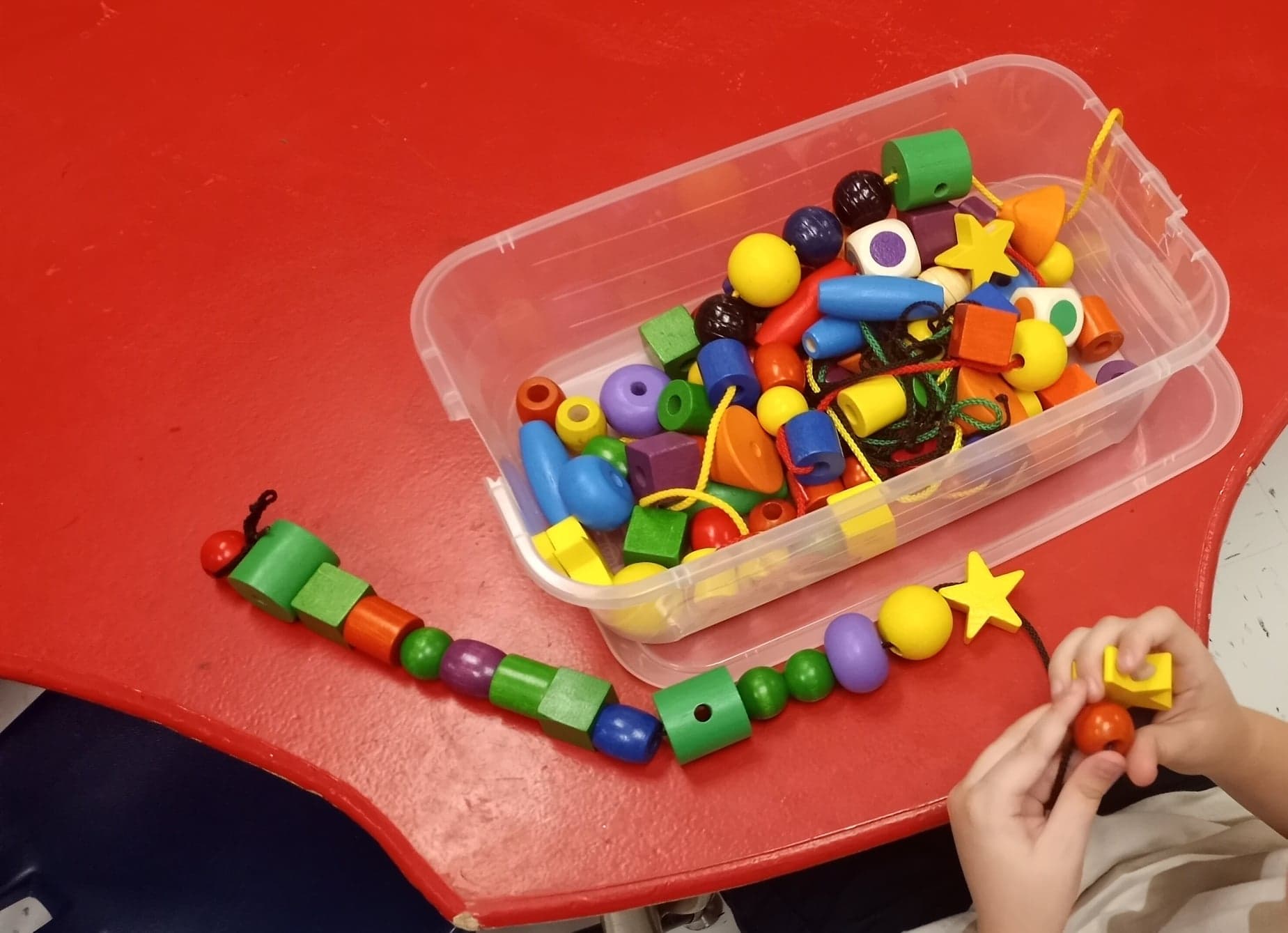
Stringing beads onto pipe cleaners, yarn, or lacing strings helps children practice hand-eye coordination, concentration, and finger control. Start with larger beads for younger learners and gradually introduce smaller beads as their skills develop.
Tweezers
Children love using tweezers to pick up pom-poms, counting bears, mini erasers, or other small objects. It feels like a game, but it’s great practice for strengthening the same muscles used to hold a pencil correctly.
One of my favorite brain boxes is filled with colorful pom-poms, plastic tweezers, and small paper cups for sorting. The children love transferring the pom-poms from one cup to another or sorting them by color. They think they’re simply playing a game, but they’re strengthening their hand muscles, improving hand-eye coordination, and developing the pincer grasp they’ll need for writing.
Dot Markers and Q-Tip Painting
Dot markers and Q-tip painting encourage children to slow down, control their movements, and build coordination while creating colorful pictures. They’re wonderful alternatives for children who aren’t quite ready for traditional pencil-and-paper activities.
Cutting Practice
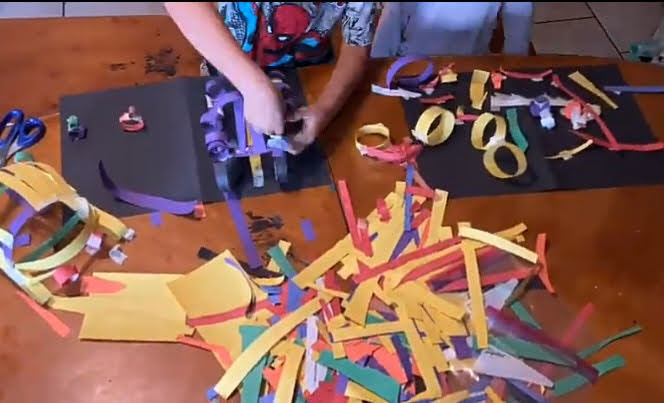
Learning to use scissors takes time and patience. Give children many opportunities to snip paper, cut along straight and curved lines, and create simple projects. Every cut helps strengthen the muscles and coordination they’ll need for more advanced cutting skills.
One of Our Favorite Classroom Routines
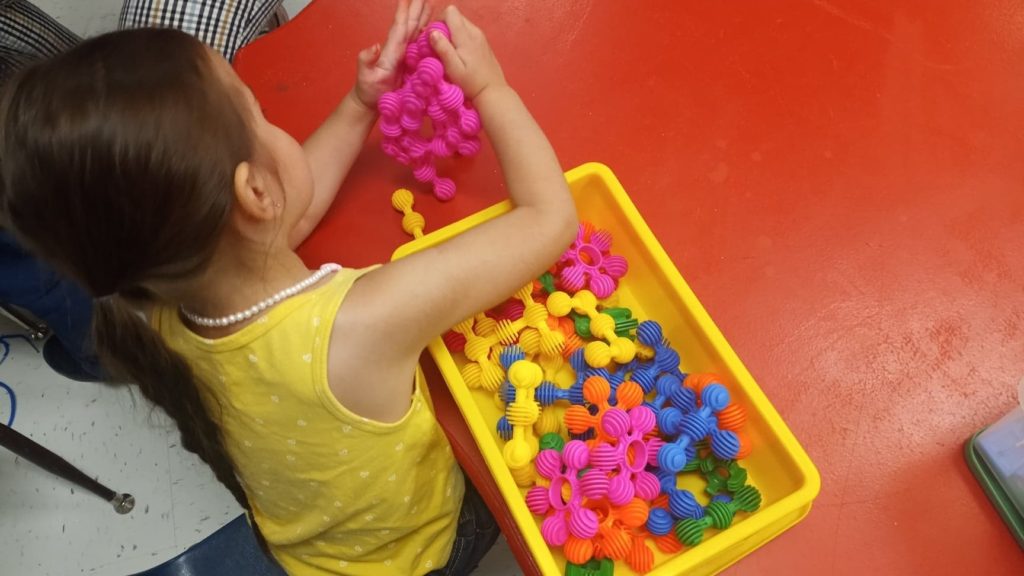
In my classroom, we start each day with what we call Brain Boxes. These shoebox-sized containers are filled with activities that invite children to build, create, sort, shape playdough, and put together puzzles.
Every morning, each child chooses a brain box to explore. While they’re busy building, creating, and playing, they’re also strengthening the small muscles in their hands and developing important fine motor skills.
One thing I’ve always found interesting is that later during free play, many of the children choose to go back to their brain boxes instead of other classroom toys. To me, that’s the best sign that learning has become meaningful. They think they’re simply playing, but I know they’re building the skills they’ll use every day for writing and so many other classroom activities.
Looking for Ready-to-Use Fine Motor Activities?
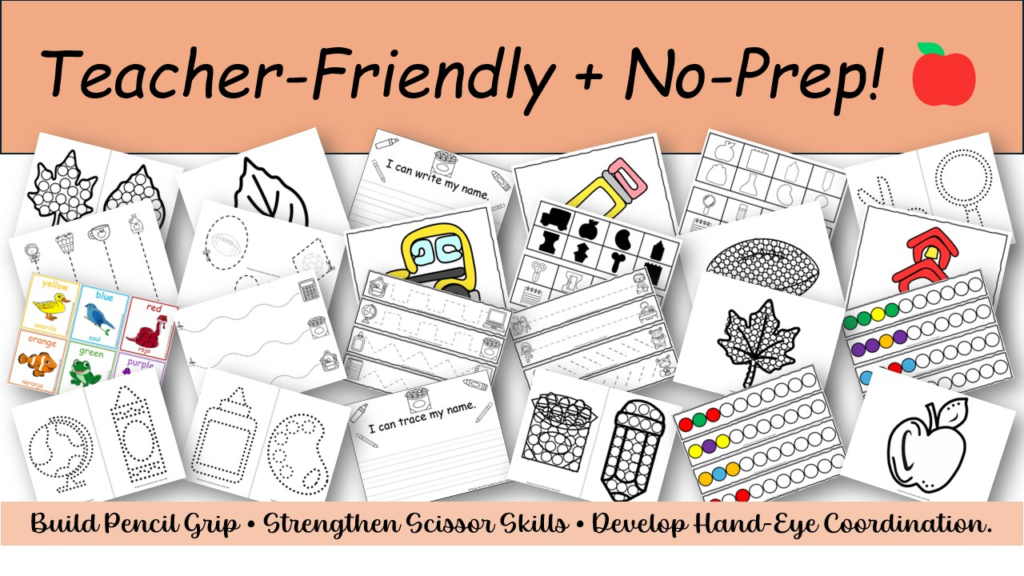
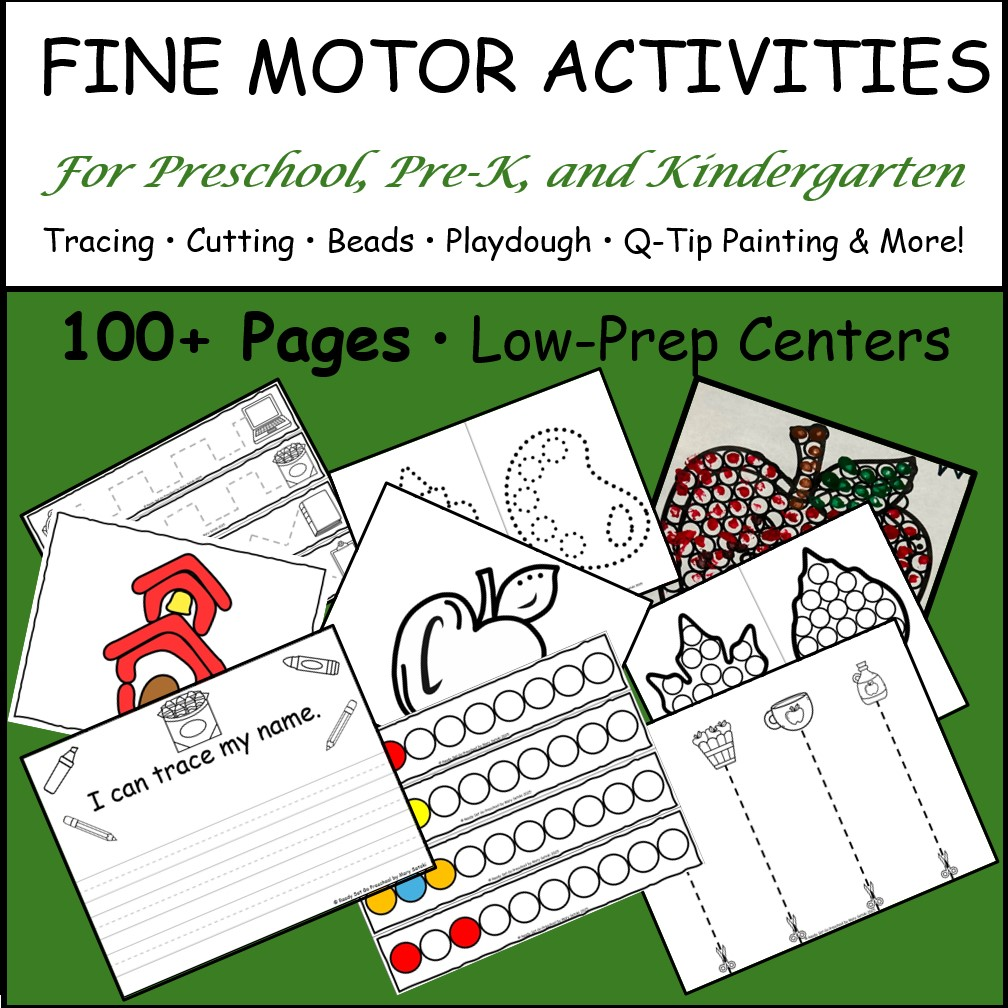
If you’re looking for a collection of engaging fine motor activities that’s ready to print and use, I created this resource to make planning easy while giving children meaningful opportunities to strengthen their little hands through play.
This collection includes 13 low-prep fine motor activities designed for Preschool, Pre-K, and Kindergarten classrooms. Children can practice important skills like hand strength, pencil control, pincer grasp, cutting, hand-eye coordination, and name writing while participating in activities they’ll genuinely enjoy.
Whether you’re planning morning tubs, learning centers, small groups, occupational therapy sessions, or independent practice, these activities are designed to fit naturally into your daily routine with very little prep.
👉 You can learn more about my Fine Motor Activities for Preschool, Pre-K & Kindergarten resource here.
Final Thoughts
Building fine motor skills doesn’t have to be complicated. Some of the best learning happens through simple, playful experiences that invite children to explore, create, and discover.
Whether you’re using playdough, tweezers, scissors, or a favorite brain box, every opportunity children have to strengthen their little hands is preparing them for so much more than handwriting.
Every time children strengthen their little hands through play, they’re taking another step toward becoming more confident, capable, and independent learners.